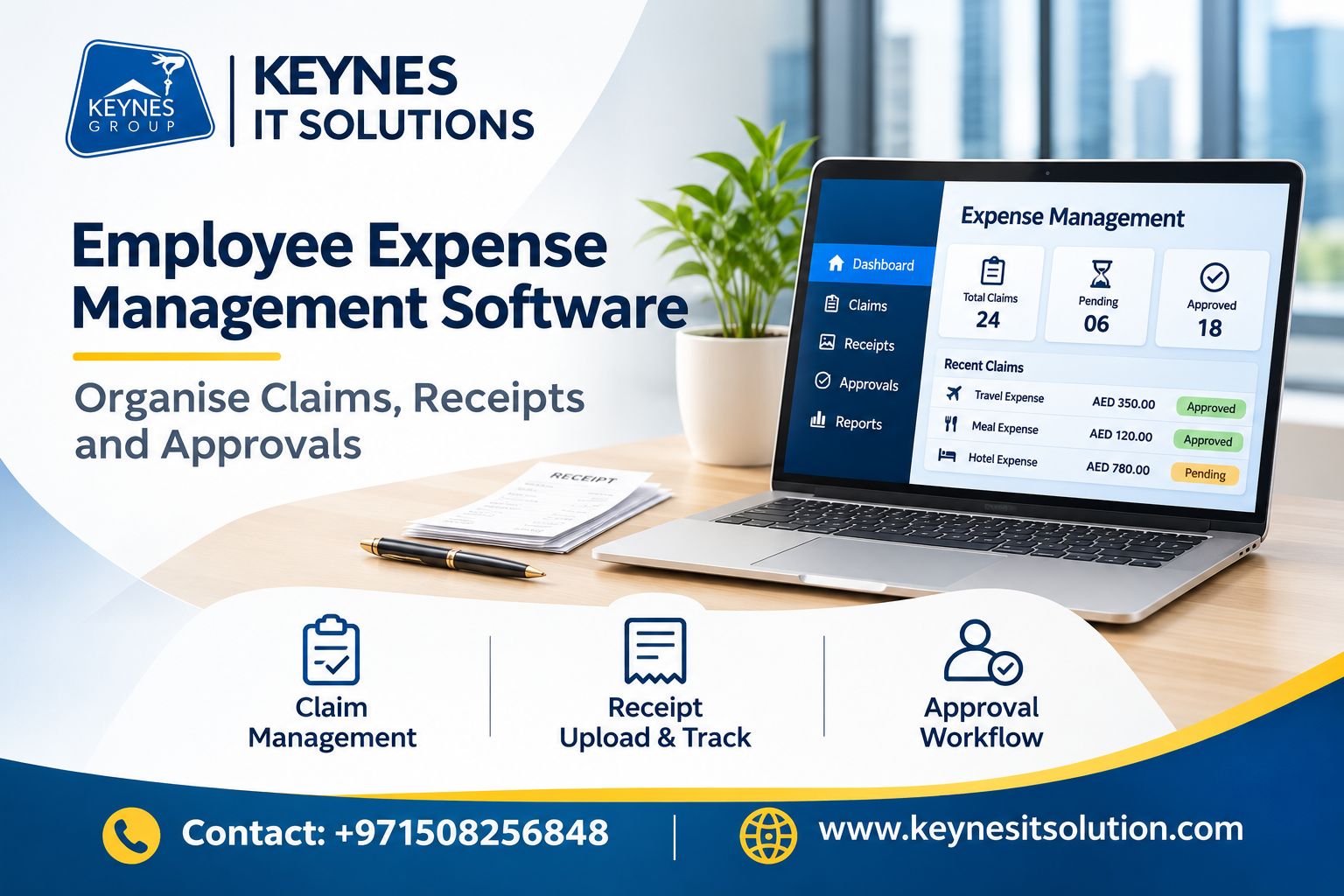
How Business Management Software Helps Companies Improve Efficiency and Growth
Managing a modern business involves handling multiple activities at the same time. Customer management, sales, employee coordination, financial operations, inventory, communication, and reporting all need to work together for a business to operate efficiently. When these processes are handled manually or through disconnected applications, businesses can face delays, data duplication, communication problems, and difficulty making informed decisions.
Business Management Software provides a centralized digital solution for managing these operations. By bringing important business activities into a single platform, companies can reduce repetitive work, improve coordination, organize information, and create more efficient workflows.
The Challenges of Traditional Business Management
Many businesses still depend on spreadsheets, paper records, emails, and separate applications to manage their daily operations. As the organization grows, maintaining information across different systems becomes increasingly difficult.
Employees may spend considerable time entering the same information into multiple systems, searching for customer records, preparing reports, or following up on pending tasks. These challenges can reduce productivity and make it harder for management teams to understand the overall performance of the business.
Business management software addresses these challenges by connecting different operational processes through a centralized digital platform.
Centralized Business Operations
One of the major advantages of business management software is centralized information. Instead of maintaining separate records for sales, customers, employees, finances, and operations, businesses can manage these activities through an integrated system.
Authorized employees can access the information they need while managers can monitor important activities from a single platform. This improves coordination between departments and reduces dependence on scattered records.
Better Customer Management
Customer relationships are essential for business growth. Businesses need to manage enquiries, customer information, communication history, purchases, service requests, and follow-ups.
A business management system can organize customer information in one place. Sales and support teams can quickly access relevant details and respond to customer requirements more efficiently. This creates a more organized customer experience and helps businesses maintain long-term relationships.
Improving Sales Management
Sales teams need to track potential customers from their initial enquiry through the final purchase. Managing this process manually can make it difficult to identify pending follow-ups and understand sales performance.
Business management software can help organizations track leads, enquiries, quotations, orders, invoices, and customer interactions. Managers can monitor the progress of sales activities and identify areas that require attention.
Automating Repetitive Business Tasks
Many business processes involve repetitive activities such as sending notifications, generating invoices, updating records, preparing reports, and following up with customers.
Automation reduces the amount of manual work required for these activities. Employees can spend more time on customer service, sales, problem-solving, and other activities that require human involvement.
This can help businesses improve productivity while reducing the possibility of errors caused by repetitive manual data entry.
Employee and Task Management
Managing employees and daily responsibilities becomes more complex as a company grows. Managers need to know which tasks are assigned, what work has been completed, and which activities are still pending.
Business management software can provide task management and employee coordination features that allow managers to organize responsibilities and monitor progress. Teams can work with clearer responsibilities and better visibility into ongoing activities.
Managing Business Finances
Financial information is another important part of business management. Companies need to monitor invoices, expenses, payments, outstanding amounts, and revenue.
Digital business management systems can organize financial information and provide reports that help management understand the company's financial activities. This reduces the need to manually collect information from different records.
Data and Business Reports
Business decisions require accurate information. Managers need to understand sales performance, customer activity, employee productivity, expenses, and other operational indicators.
Business management software can convert operational data into useful reports and dashboards. These reports provide management teams with a clearer view of business activities and support more informed planning.
Supporting Digital Transformation
Business management software is also an important part of digital transformation. Instead of simply replacing paper records, businesses can redesign their workflows using digital technologies.
Cloud-based systems, automation, analytics, artificial intelligence, and mobile access can be integrated into modern business solutions to create more connected and flexible operations.
This allows businesses to adapt their technology as their requirements change.
Choosing the Right Business Management Solution
Every business has different requirements, so software should be selected according to the organization's operations, industry, workforce, and future plans. Important considerations include usability, scalability, security, customization, integration capabilities, reporting, and technical support.
A business management solution should not only solve current operational problems but also provide a foundation for future growth.
Why Businesses Need Customized Digital Solutions
Ready-made software may not always match the exact workflow of a company. Different businesses have different processes, approval systems, customer requirements, and reporting needs.
Customized software solutions can be designed around a company's specific requirements. This can help organizations automate their unique workflows and integrate different business functions into a single digital ecosystem.
Professional IT solution providers can help businesses analyze their requirements, design appropriate software, develop the solution, and provide ongoing technical support.
Conclusion
Business Management Software has become an important technology for companies looking to improve efficiency and organize their operations. From customer management and sales to employee coordination, financial management, automation, and reporting, digital solutions can connect multiple business activities through one centralized platform.
As businesses continue to adopt digital technologies, customized and scalable software solutions can provide the foundation needed to improve productivity, simplify operations, and support long-term growth. Choosing the right technology partner can help businesses transform their operational challenges into efficient digital workflows.